
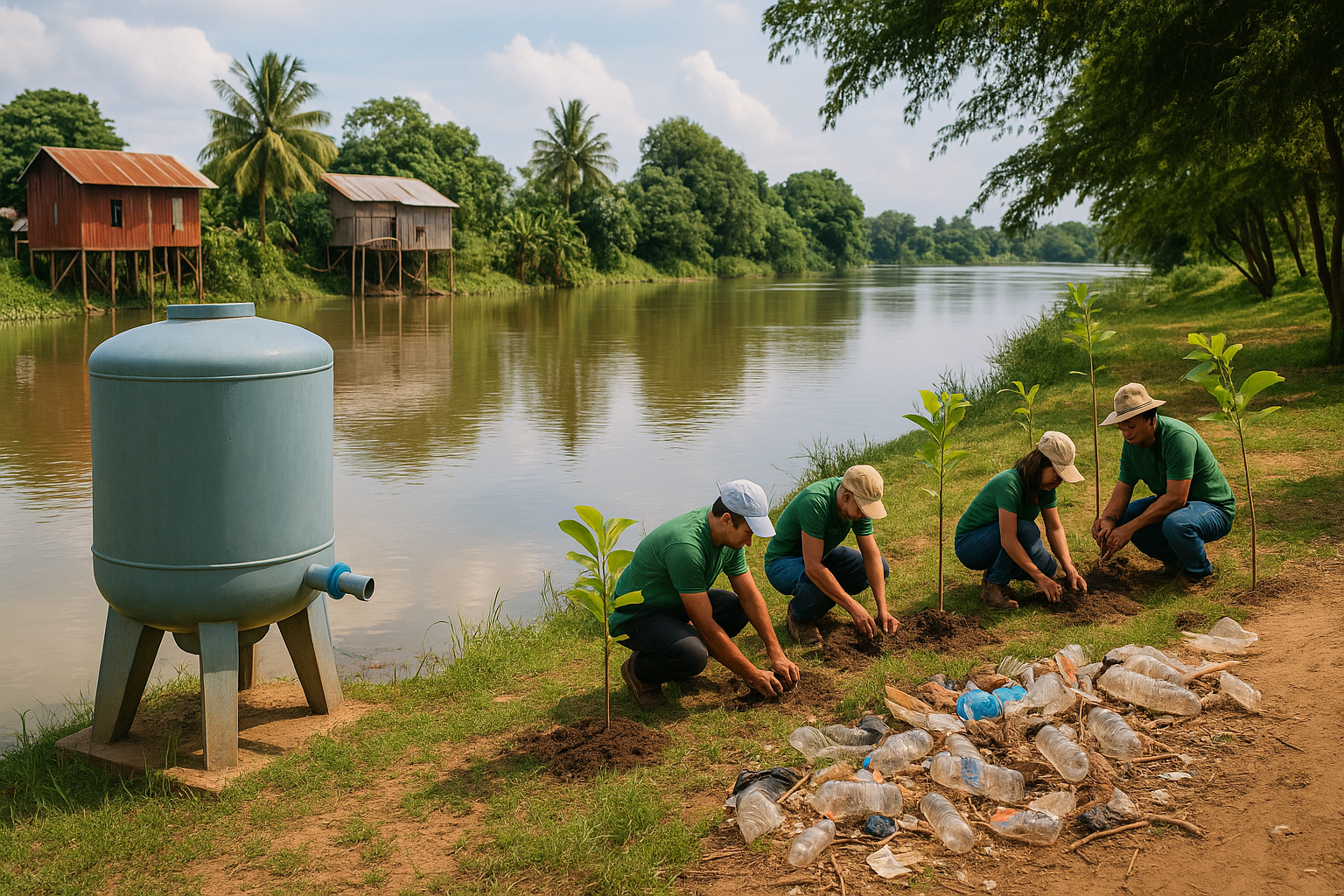

Cambodia’s rivers and lakes are lifelines for rural families. They provide fish, drinking water, irrigation, and natural habitat.
But in recent years, communities have suffered from:
river pollution
plastic waste
contaminated drinking water
flood damage
declining fish populations
This campaign focuses on protecting Cambodia’s rivers while improving clean water access for vulnerable communities in Kampong Thom, Kandal, and Takeo provinces.
.
🌊 What This Project Will Achieve
1️⃣ River Clean-Up & Waste Removal
Organize monthly community clean-up events
Remove plastic waste and illegal dumping
Build designated waste-collection areas
Provide eco-bins for households
2️⃣ Clean Water Stations for Villages
Install large-capacity community water filters
Repair old wells and hand-pumps
Build rainwater harvesting tanks
Train families in safe water usage
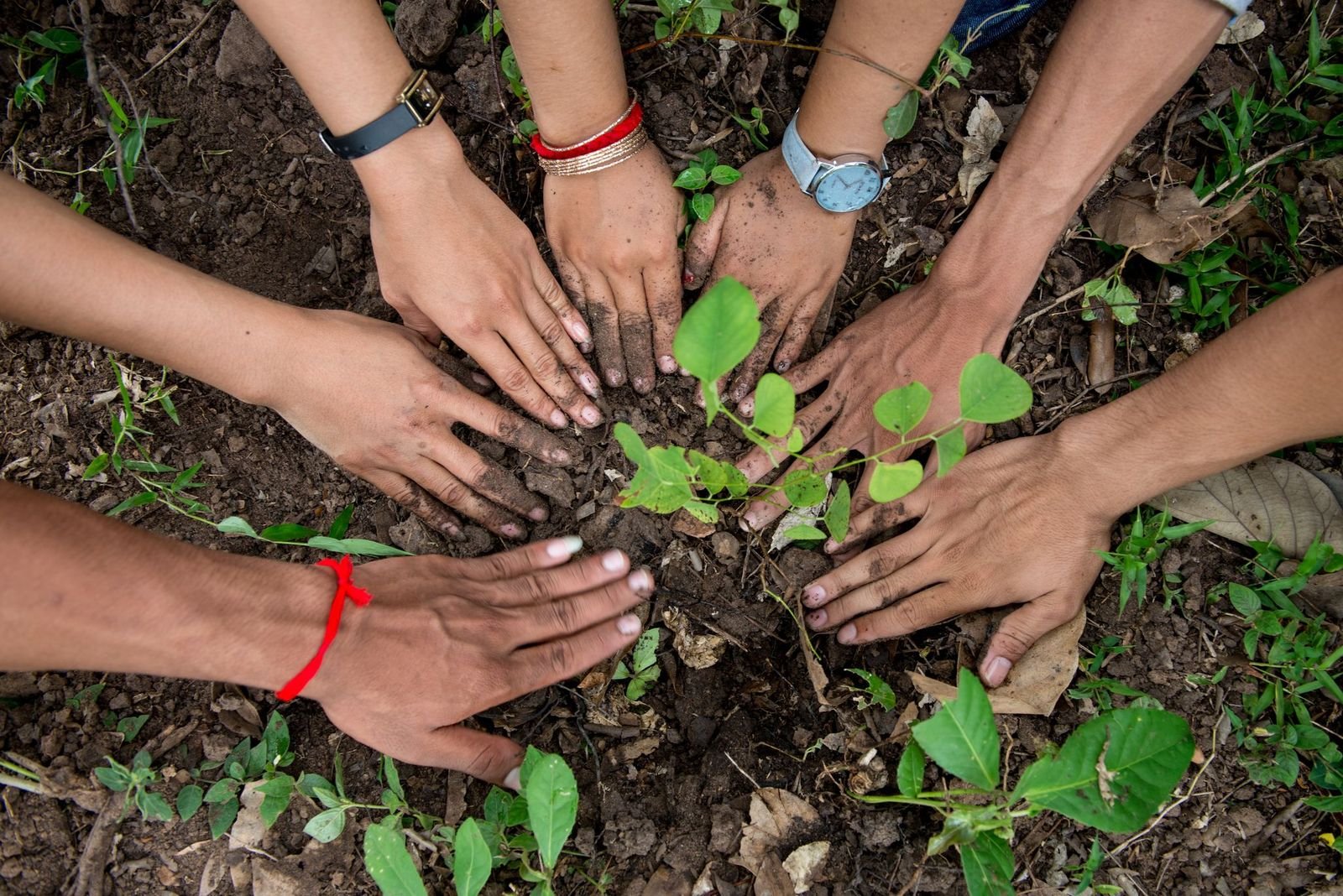
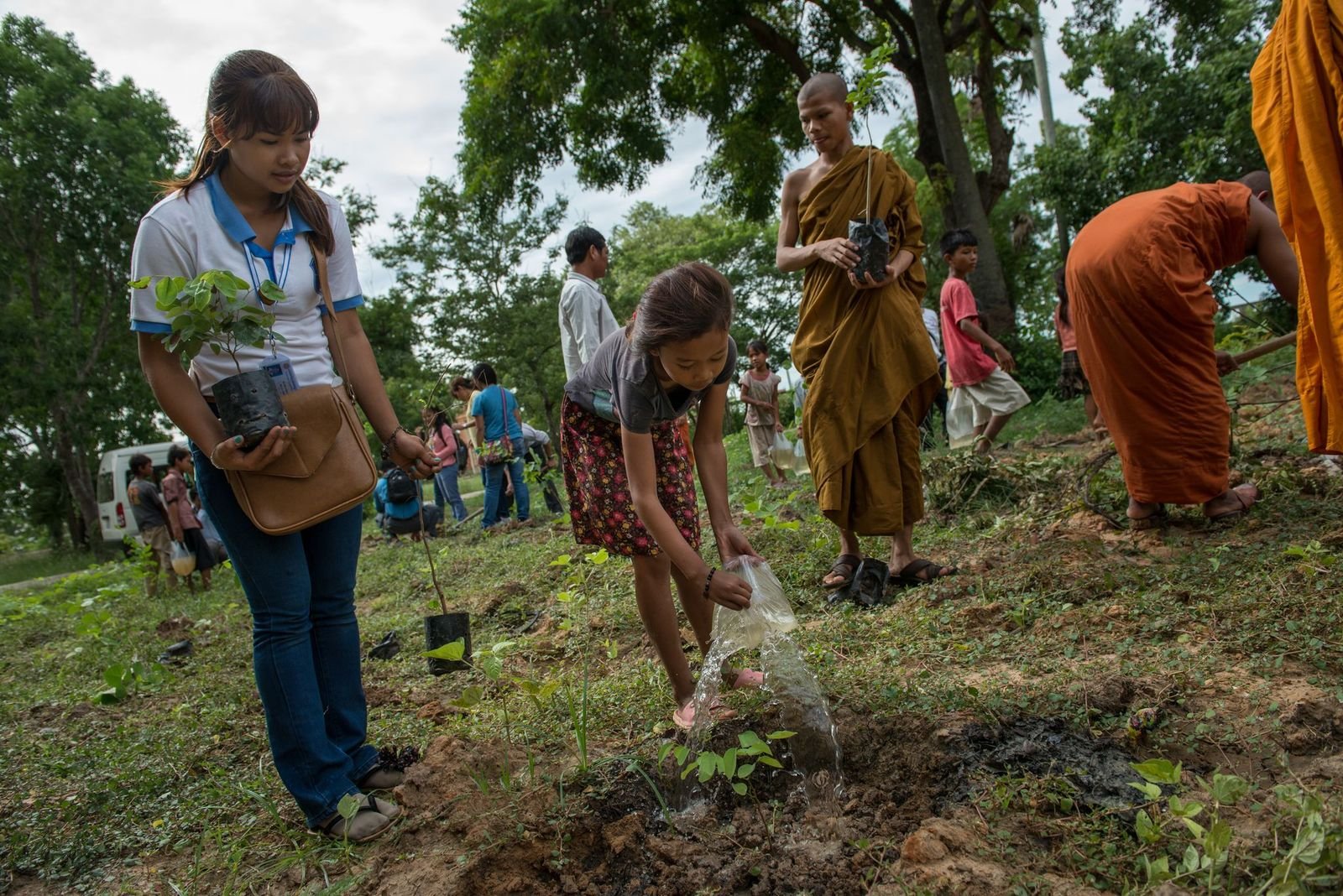
3️⃣ Riverbank Restoration & Tree Planting
Plant 6,000+ native trees along riverbanks
Reduce soil erosion and flooding
Restore wildlife habitat
4️⃣ Youth Education & Eco-Clubs
School workshops on water protection
Student-led river monitoring groups
Distribute learning materials
🌍 Why This Matters for Cambodia (2025)
1 in 3 families lacks reliable clean water
River pollution is rising due to plastic and chemicals
Floods are becoming more severe
Children are at high risk from waterborne diseases
Your support brings clean water, health, and environmental protection to families who depend on Cambodia’s river systems.
Budget Breakdown (Up to $50,000)
| Activity | Budget (USD) |
|---|---|
| River clean-up operations | $10,000 |
| Clean water station installation | $18,000 |
| Riverbank tree planting | $12,000 |
| Youth eco-education programs | $6,000 |
| Transport, tools & coordination | $4,000 |
Impact Summary
With your support, we will provide:
✔ Clean water access for 1,200+ villagers
✔ River restoration along 3 key communities
✔ 6,000+ trees planted
✔ 500+ students participating in eco-clubs
✔ Pollution reduction that benefits entire districts
Together, we help protect Cambodia’s rivers and future generations.