

2. Humanitarian Context & Problem Statement
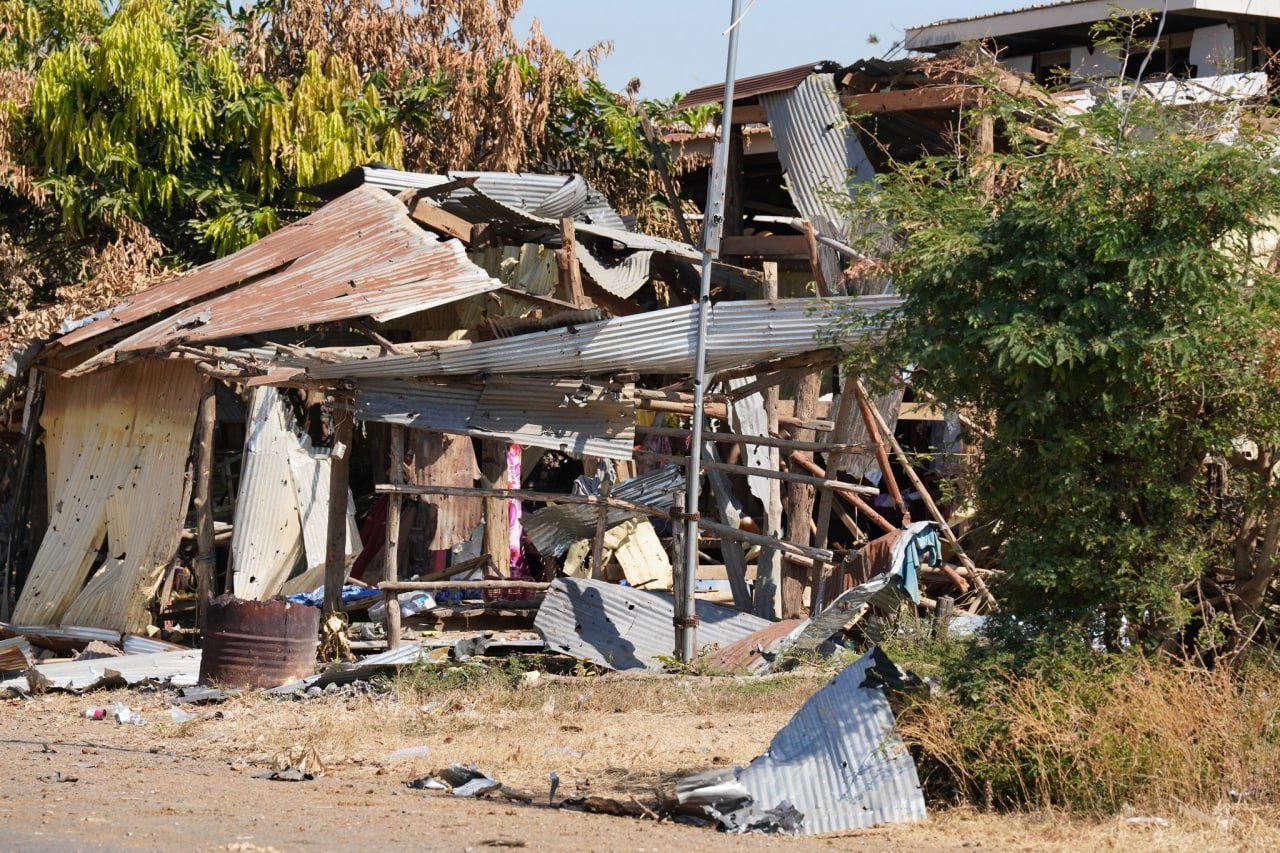
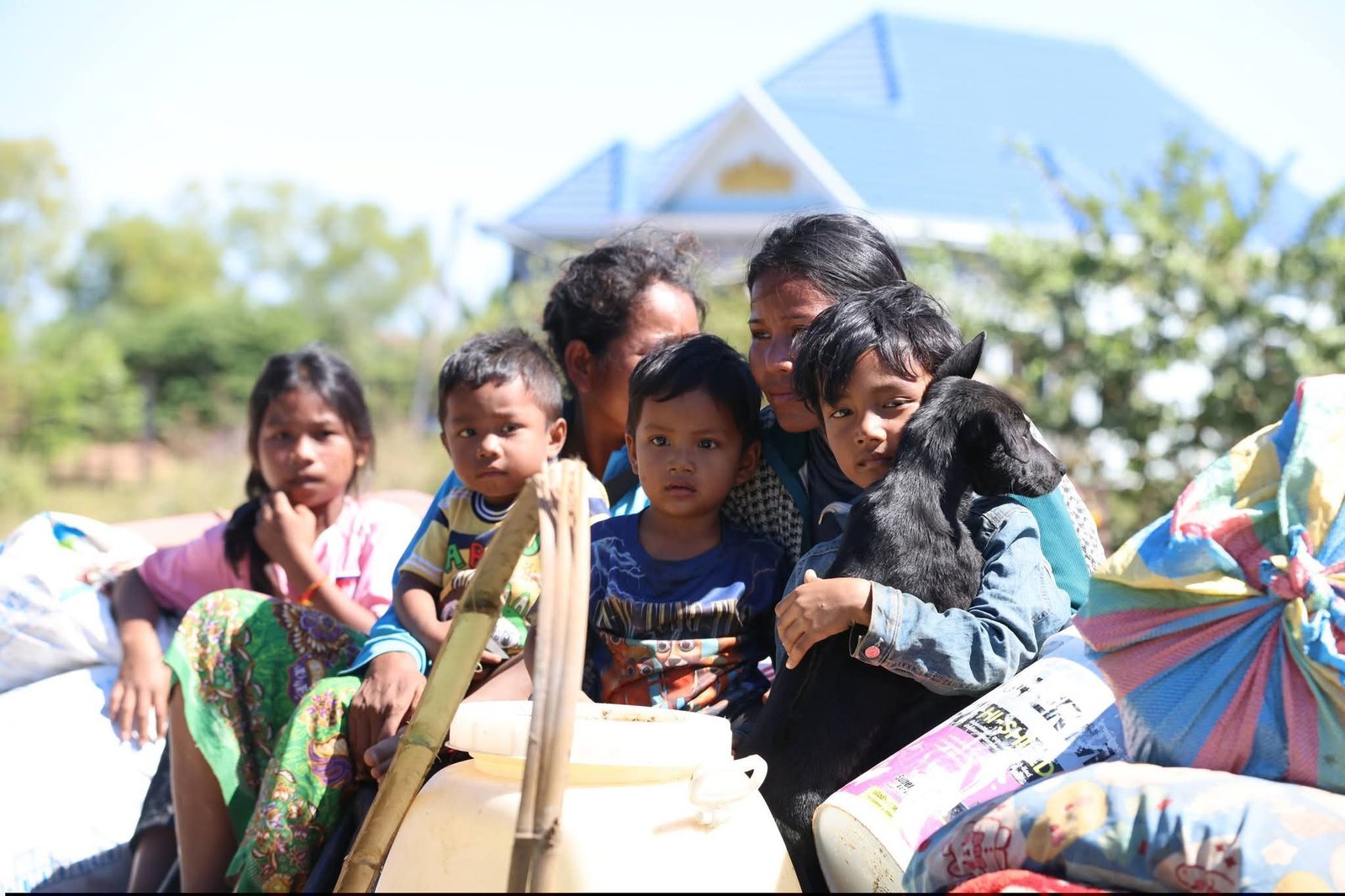
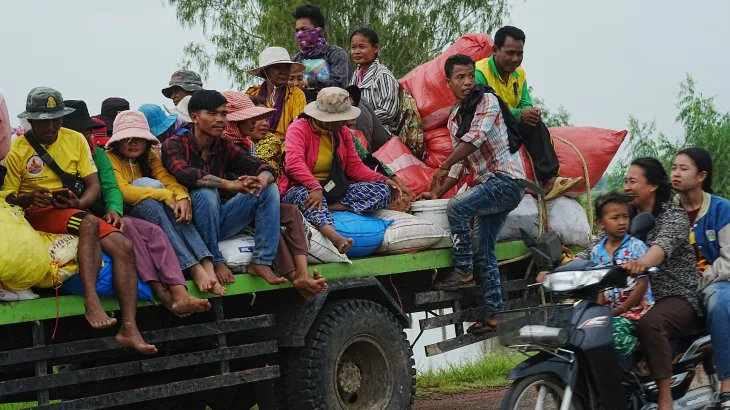
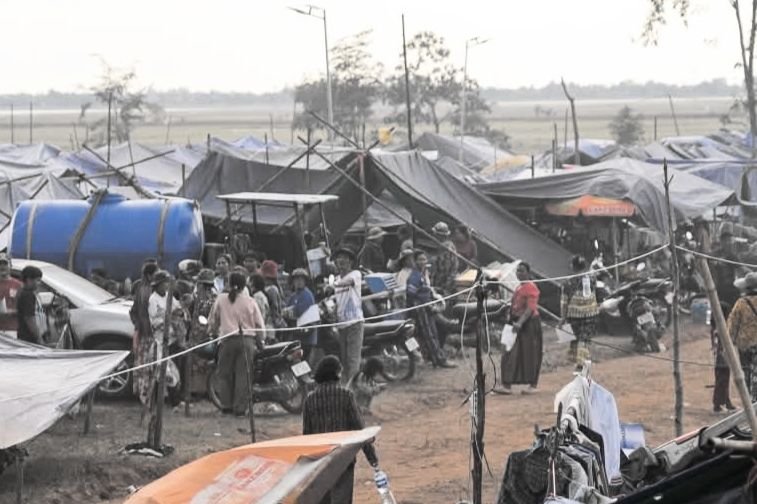
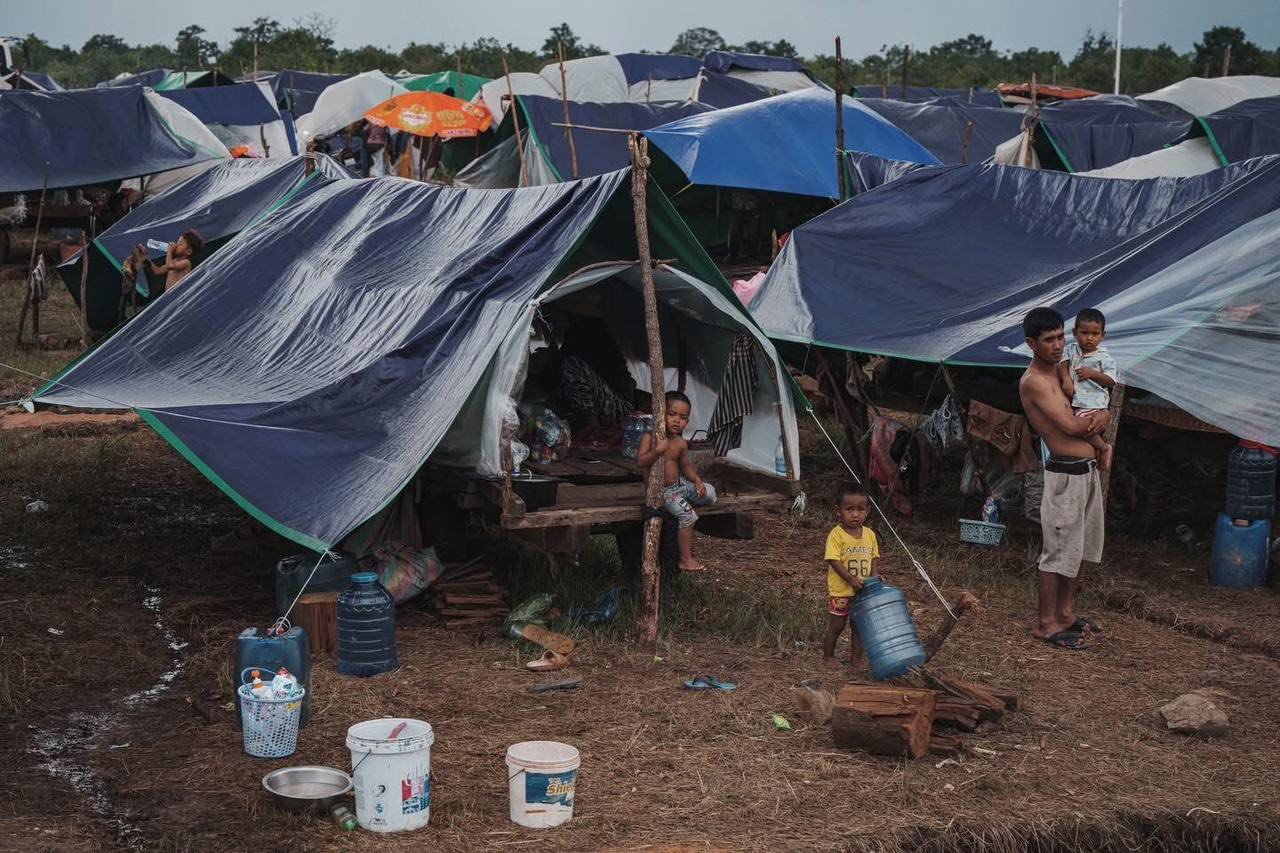
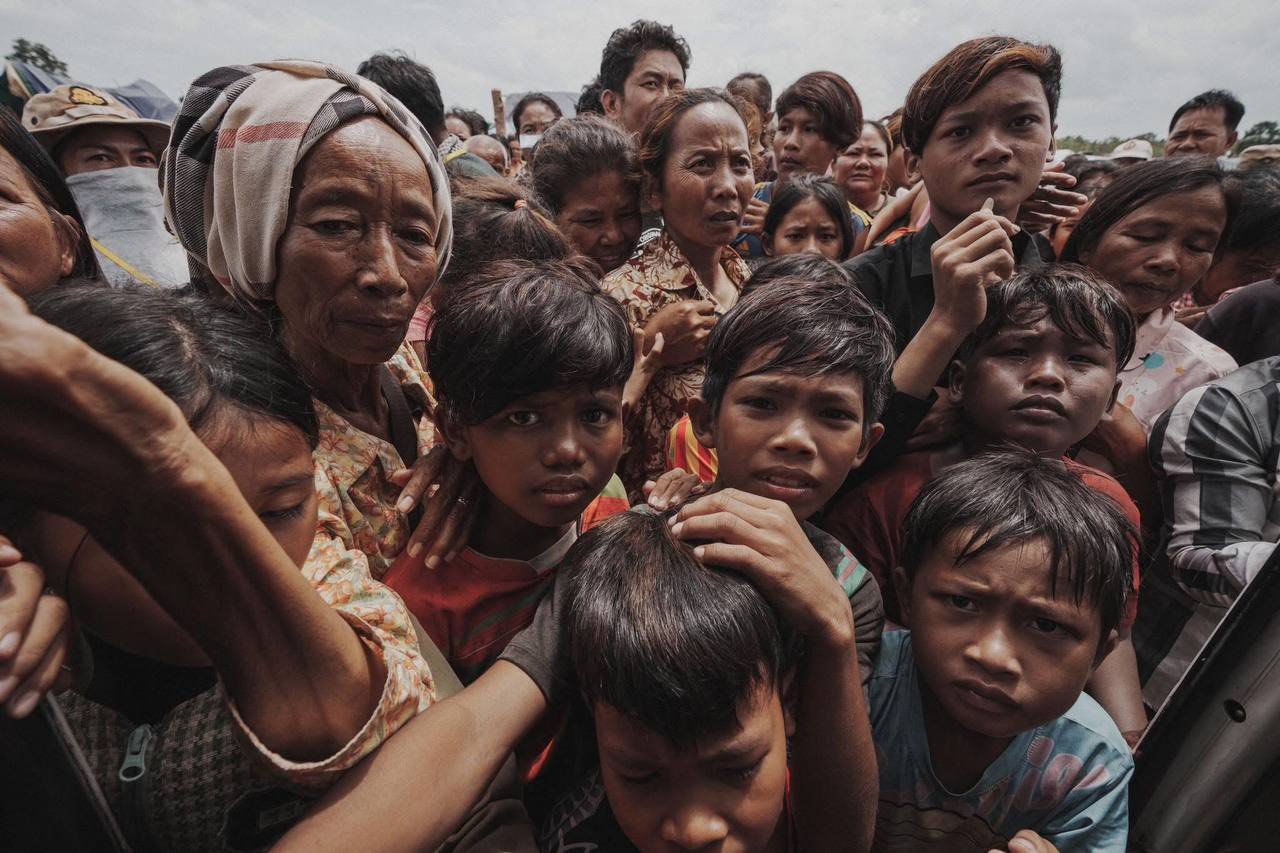
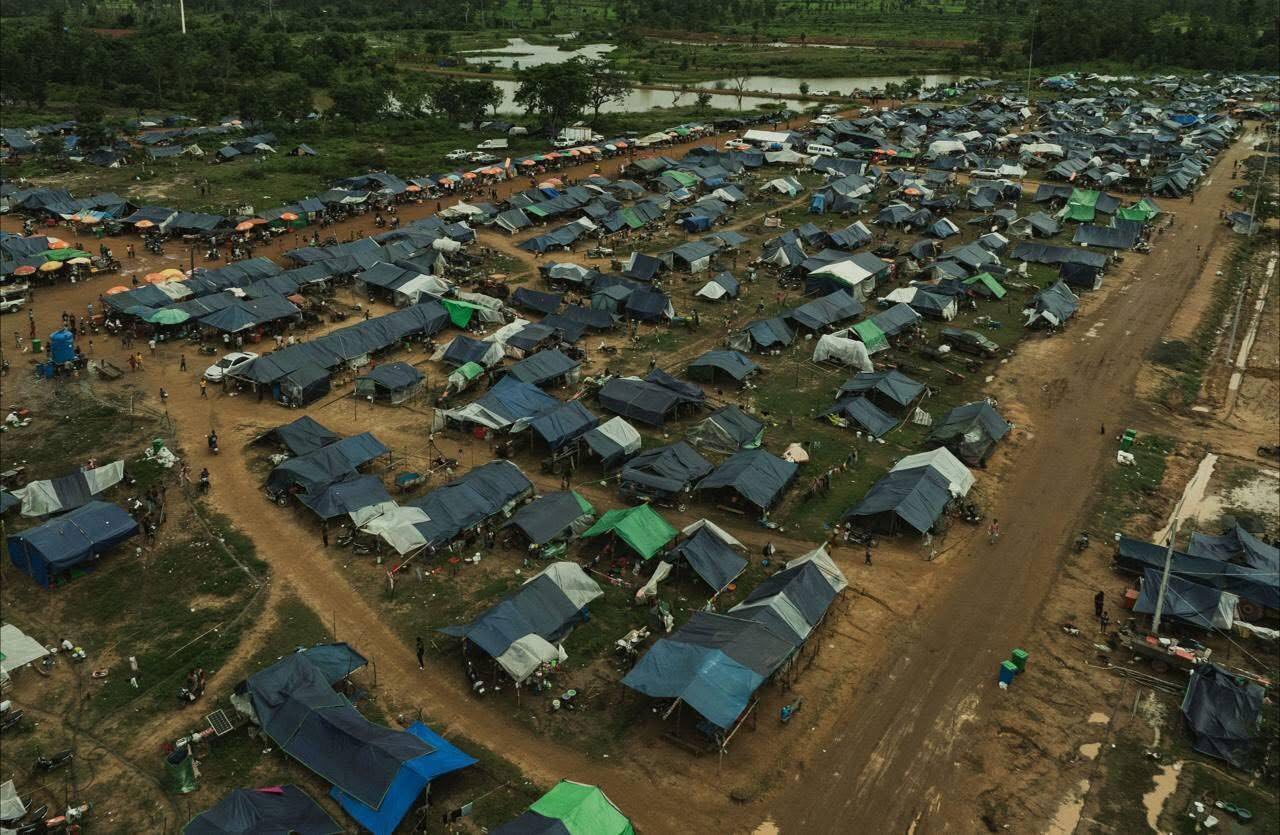
Border communities in Cambodia face:
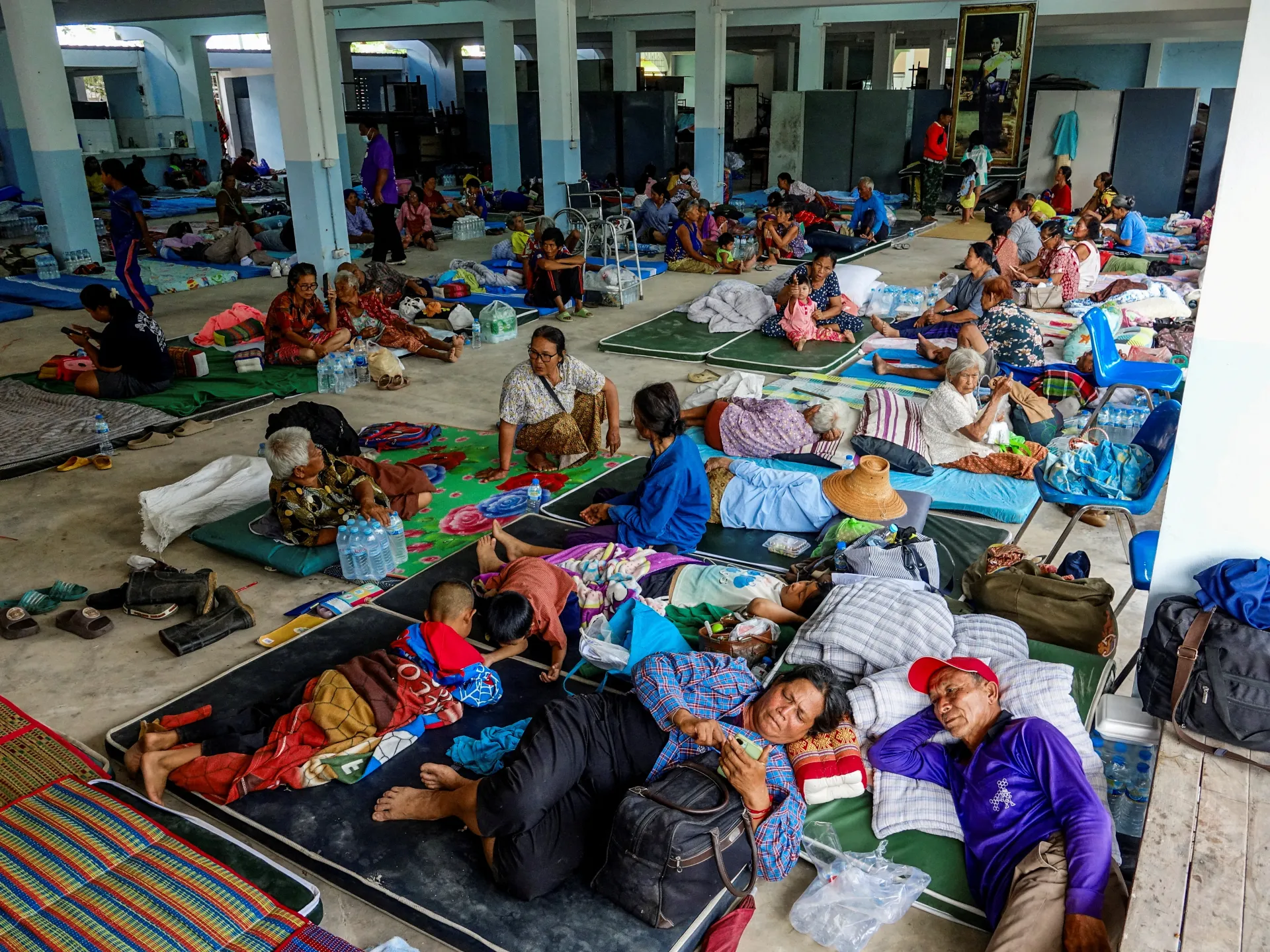
Sudden displacement and family separation
Loss of livelihoods and agricultural income
Disrupted access to schools and healthcare facilities
Increased protection risks for women and children
Severe food insecurity and malnutrition
Unsafe water sources and poor sanitation conditions
Many families are currently surviving with minimal resources, relying on unsafe coping mechanisms, and lacking consistent humanitarian support.
Without immediate and sustained assistance, these communities face:
Worsening malnutrition
Preventable disease outbreaks
Long-term trauma and loss of education
Deeper poverty and dependency
3. Target Population & Geographic Focus
Primary Beneficiaries
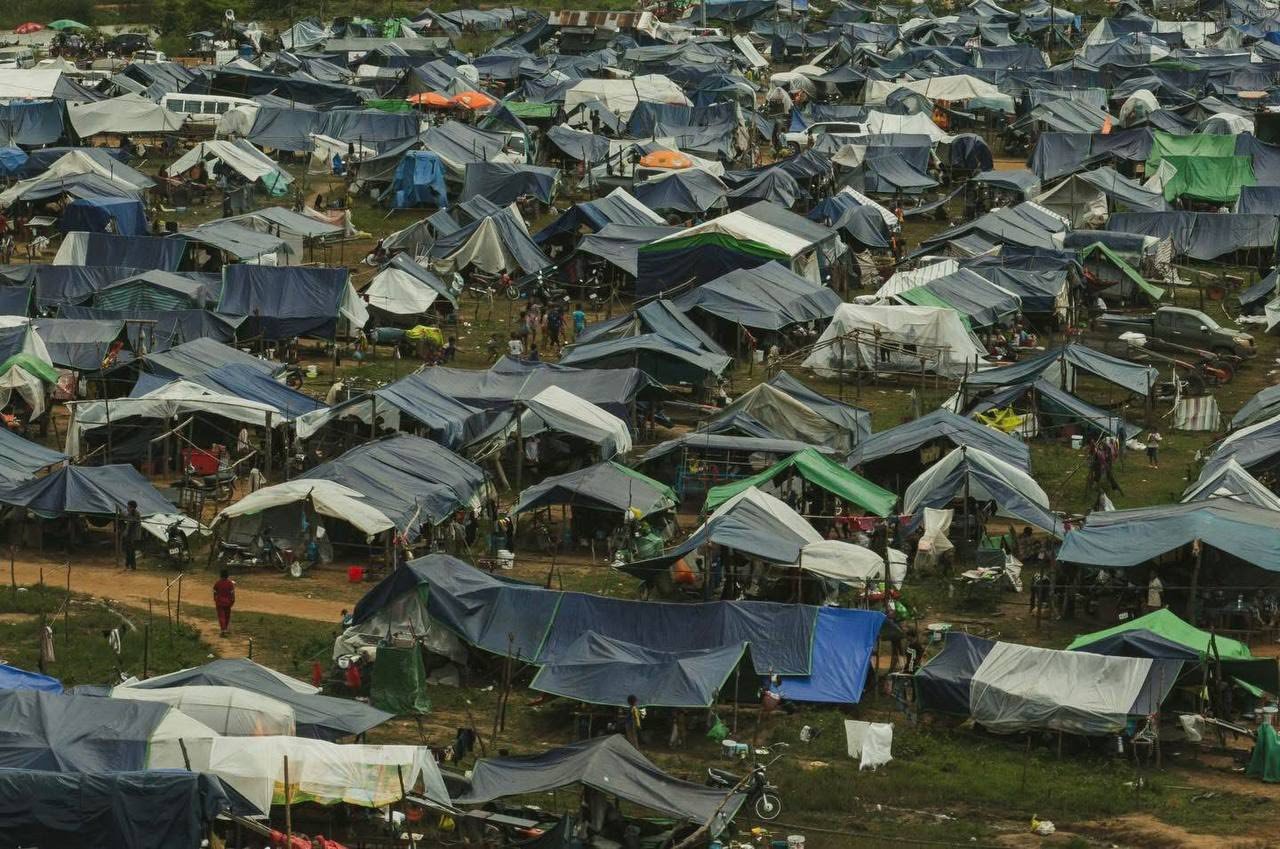
Internally displaced persons (IDPs)
Border villagers affected by conflict
Women-headed households
Children under 18
Elderly persons
Persons with disabilities
Estimated Reach
📌 40,000–45,000 individuals
📌 8,000–9,000 households
Geographic Focus
Cambodia–Thailand border provinces
Displacement sites, host communities, and remote villages
4. Program Objectives
Overall Goal
To save lives, protect dignity, and support early recovery for conflict-affected communities along the Cambodia–Thailand border.
Specific Objectives
Provide immediate food and basic needs assistance
Ensure access to clean water, sanitation, and hygiene
Deliver essential health and psychosocial services
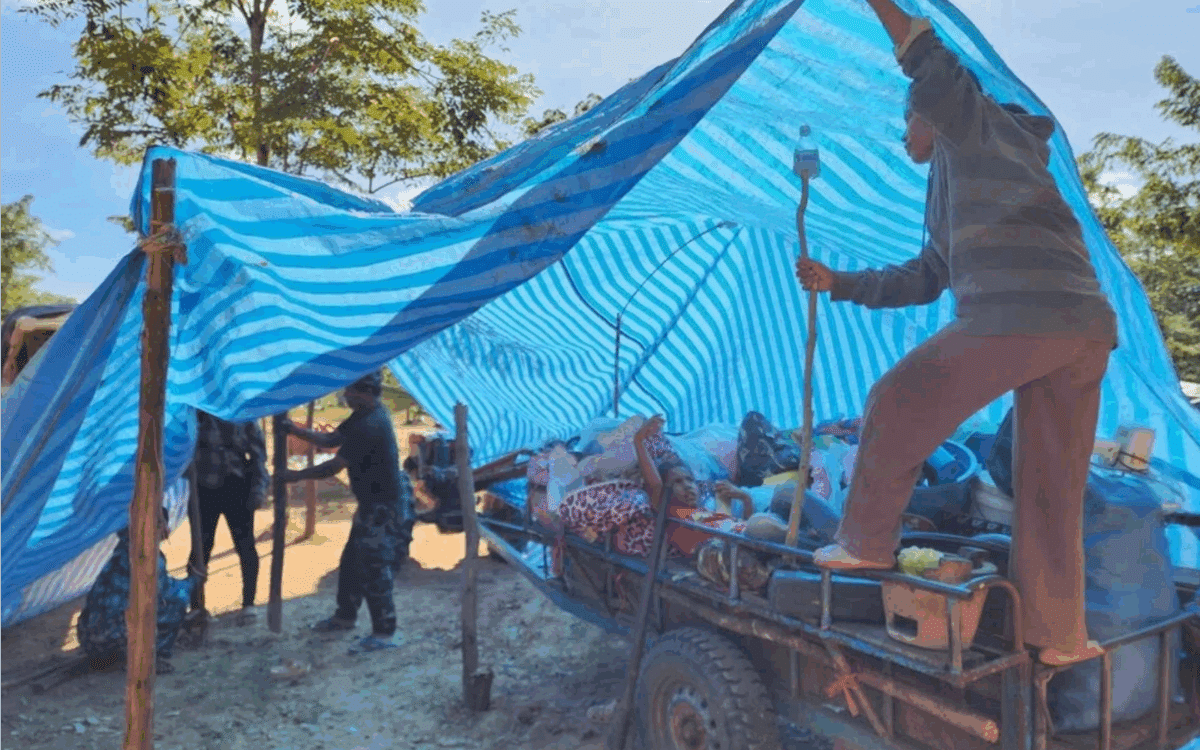
Provide safe shelter and household essentials
Protect children and vulnerable groups
Restore livelihoods and community resilience
5. Program Components & Activities
A. Emergency Food & Nutrition Assistance
Objective: Prevent hunger and malnutrition among vulnerable families.
Key Activities
Monthly food distributions (rice, oil, beans, salt, canned protein)
Supplementary nutrition for children and pregnant/lactating women
Community food monitoring
Expected Outcomes
Reduced food insecurity
Improved child nutrition indicators
B. Water, Sanitation & Hygiene (WASH)
Objective: Reduce disease risk and improve public health.
Key Activities
Emergency water distribution
Installation of water storage tanks
Hygiene kits (soap, sanitary pads, water containers)
Hygiene promotion and community training
Expected Outcomes
Safe drinking water access
Reduced waterborne diseases
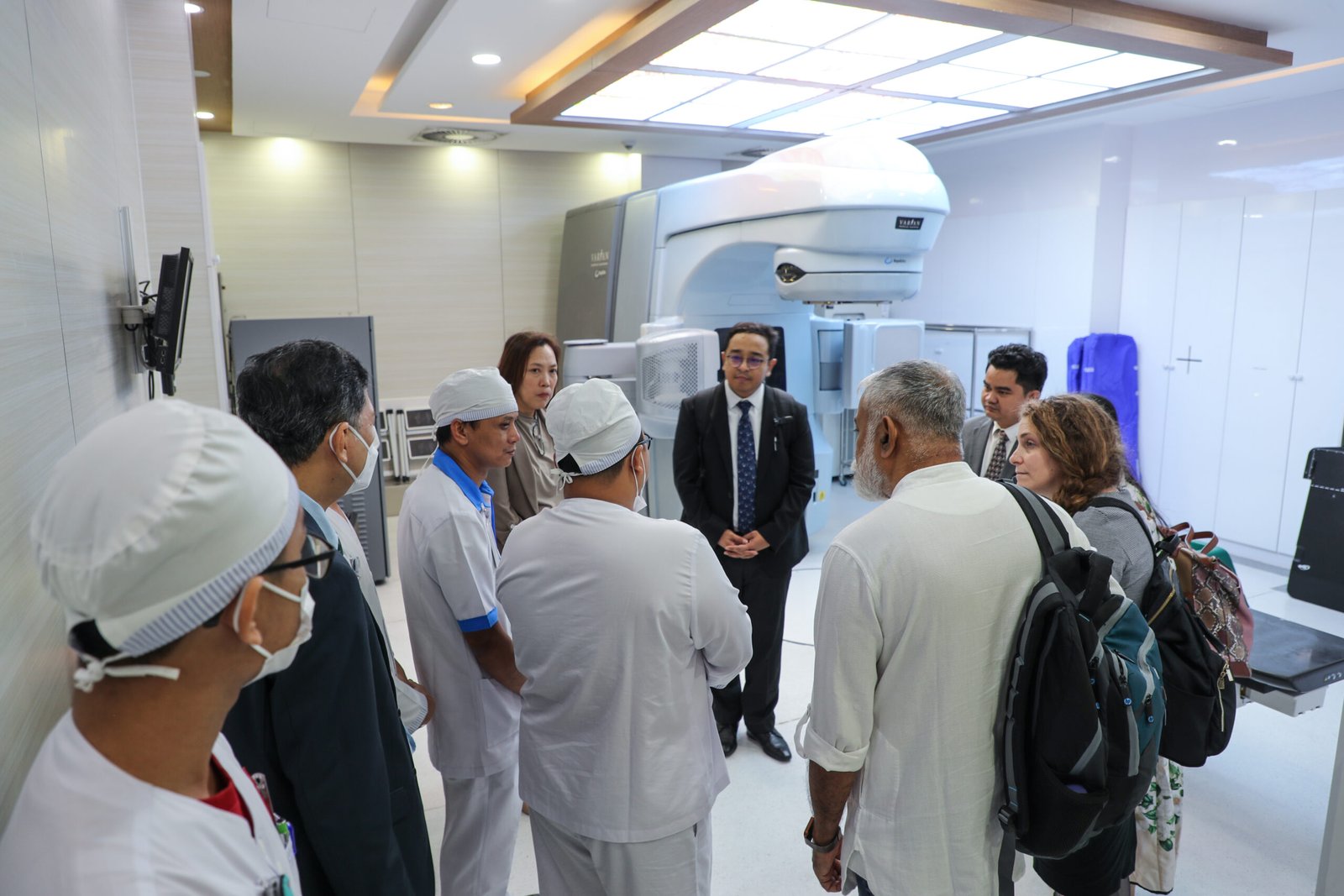
C. Health & Medical Services
Objective: Ensure access to essential healthcare.
Key Activities
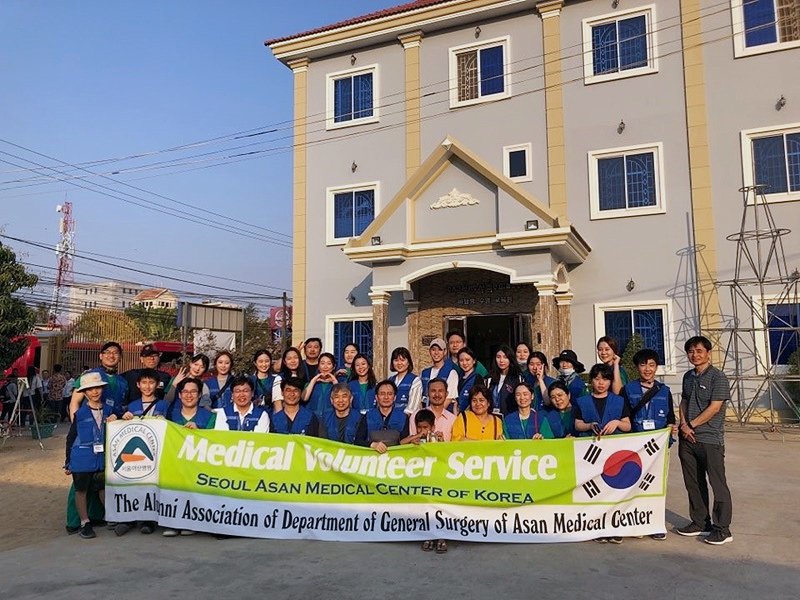
Mobile medical clinics
Primary healthcare and maternal services
Essential medicines and first aid supplies
Mental health and psychosocial support (MHPSS)
Expected Outcomes
Improved health outcomes
Reduced preventable deaths
D. Shelter & Non-Food Items (NFI)
Objective: Provide safe and dignified living conditions.
Key Activities
Emergency shelters and tarpaulins
Distribution of blankets, mats, mosquito nets
Seasonal clothing support
Expected Outcomes
Increased safety and dignity
Protection from weather and health risks
E. Protection & Child-Focused Services
Objective: Safeguard vulnerable populations.
Key Activities
Child-friendly spaces and learning kits
Women and child protection services
Community-based protection monitoring
Referral pathways for survivors of violence
Expected Outcomes
Improved child wellbeing
Reduced protection risks
F. Livelihoods & Early Recovery
Objective: Support self-reliance and resilience.
Key Activities
Cash assistance for vulnerable households
Small livelihood grants
Skills training and income restoration
Community recovery initiatives
Expected Outcomes
Increased household income
Reduced dependency on aid
6. Budget Breakdown (USD $3,000,000)
| Sector | Amount |
|---|---|
| Food & Nutrition Assistance | $900,000 |
| Water, Sanitation & Hygiene | $450,000 |
| Health & Medical Services | $500,000 |
| Shelter & Non-Food Items | $450,000 |
| Protection & Child Services | $350,000 |
| Livelihoods & Early Recovery | $250,000 |
| Monitoring, Evaluation & Operations | $100,000 |
| Total | $3,000,000 |
7. Monitoring, Evaluation & Accountability
Regular needs assessments
Transparent financial reporting
Outcome-based monitoring indicators
Donor updates and impact reports
Community feedback mechanisms
8. Risk Management & Safeguards
Conflict-sensitive programming
Do-no-harm approach
Anti-fraud and misuse controls
Compliance with international humanitarian standards
9. Sustainability & Exit Strategy
Strengthening community leadership
Linking families to local services
Transition from relief to recovery
Knowledge transfer to local partners
10. Call to Action
Your support enables:
Life-saving aid for families in crisis
Protection for children and vulnerable groups
Recovery and dignity for displaced communities
Together, we can transform crisis into hope.
👉 Donate Now
👉 Share This Campaign
👉 Partner With Us