

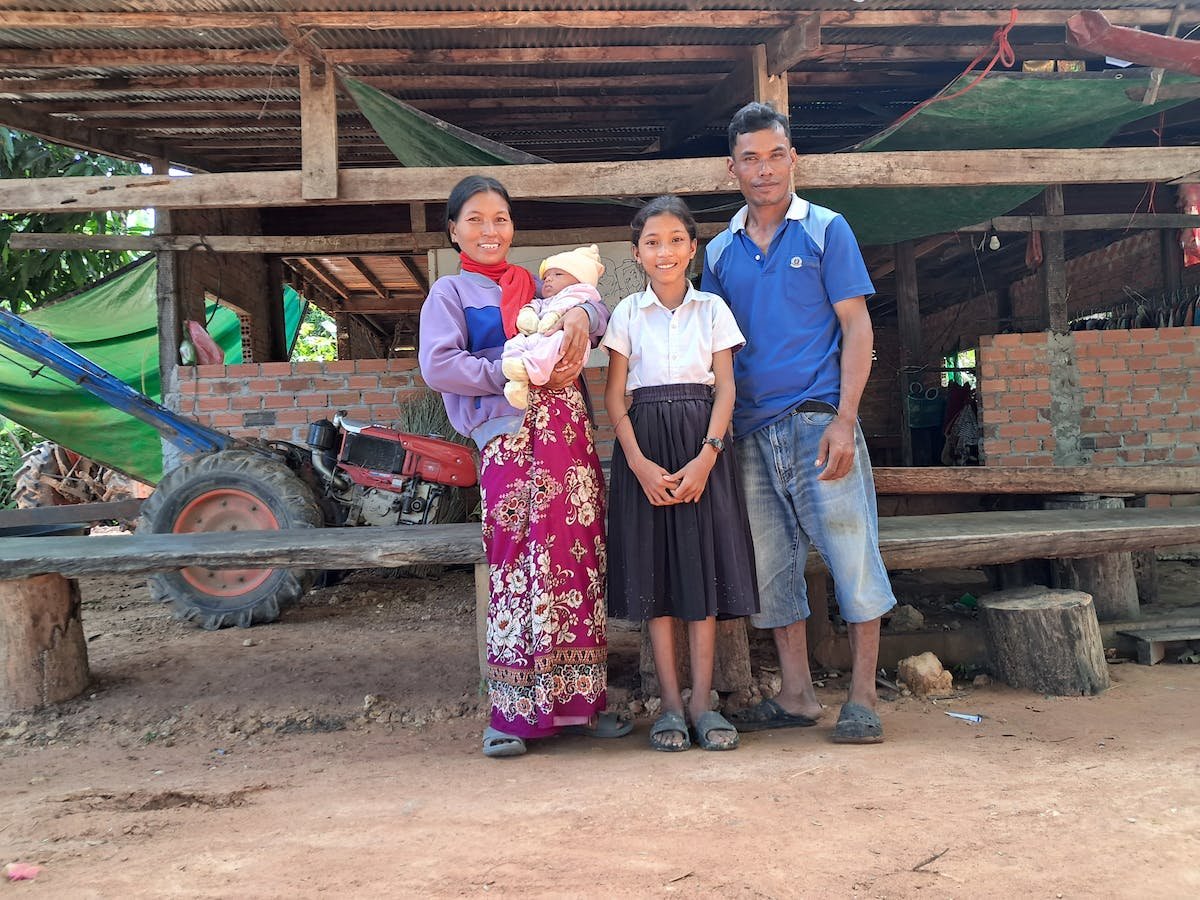
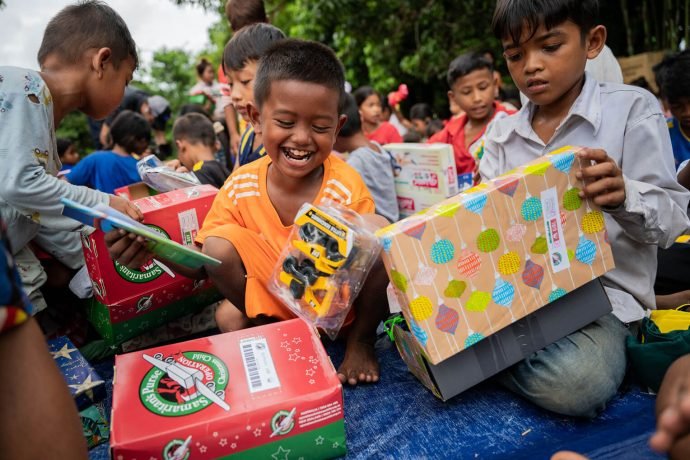
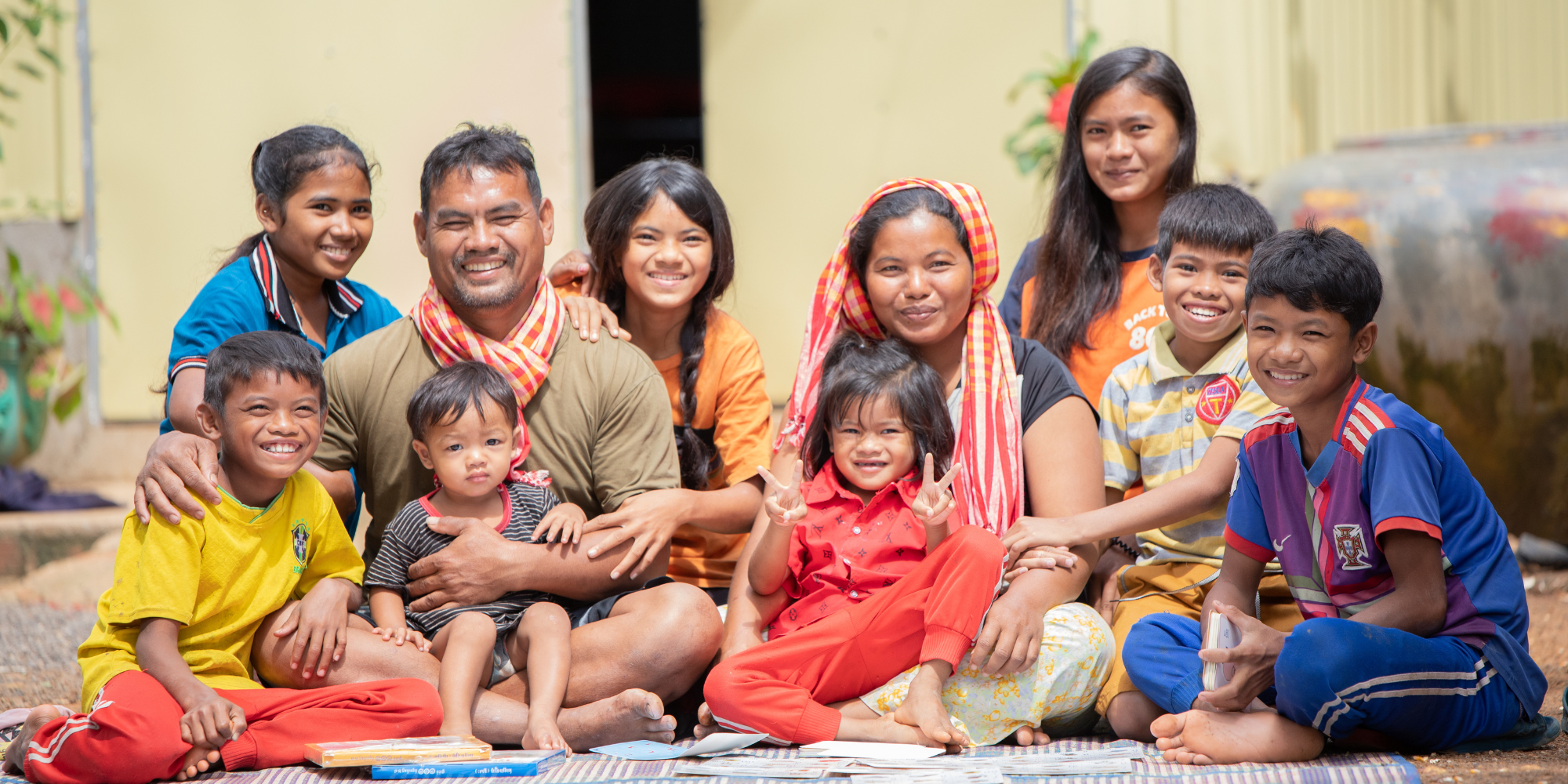
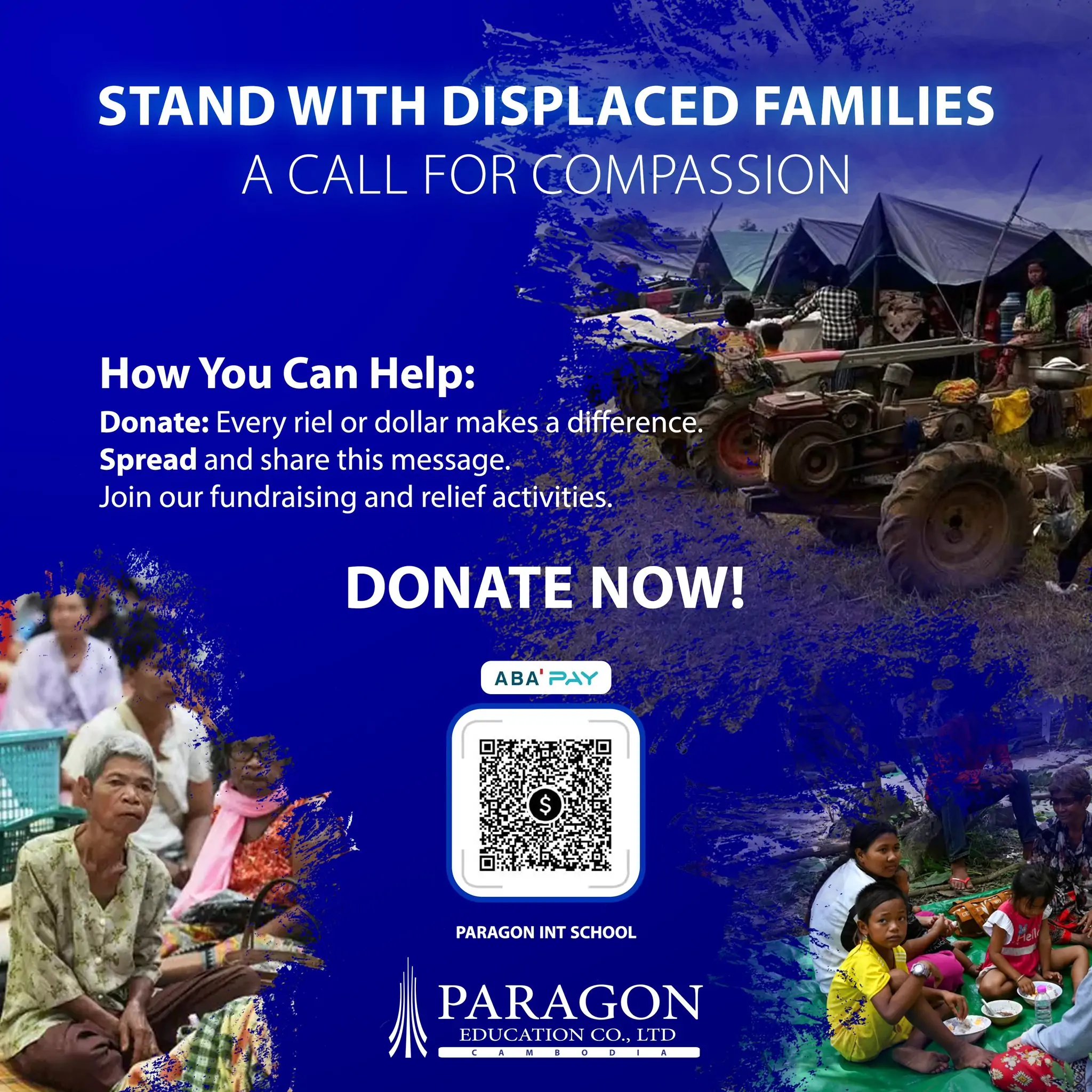
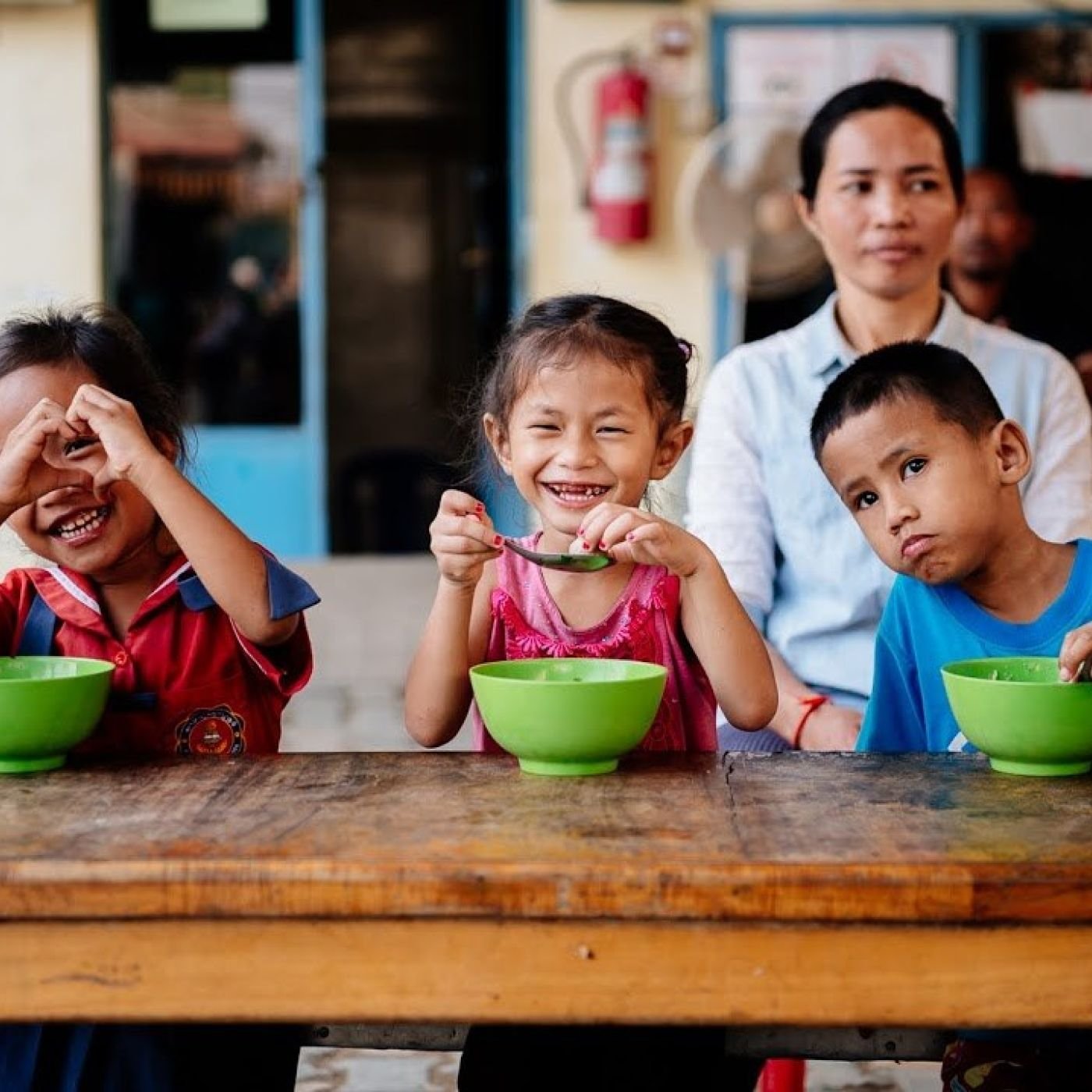

Across Cambodia, thousands of families struggle every day to meet the most basic needs of their children.
In Preah Vihear, Kampong Thom, Ratanakiri, Mondulkiri, Kratie, Tbong Khmum, and Kampong Cham, poverty, isolation, and limited public services place families under constant pressure.
Many households live on unstable daily labor, subsistence farming, or seasonal income.
When food prices rise, crops fail, or illness strikes, families are pushed into crisis.
Children are the most affected.
Some go to school hungry.
Some lack clean water.
Some live without proper clothing, school supplies, or medical care.
Some drop out of school to help support their families.
This campaign exists to protect family stability and ensure children grow up healthy, educated, and safe—regardless of where they are born.
⭐ WHAT THIS CAMPAIGN PROVIDES
🍚 1. Food & Nutrition Support
Rice and staple food packages
Nutrition supplements for children
Emergency food support for families in crisis
No child should go to bed hungry.
💧 2. Clean Water & Hygiene
Water filters and safe storage containers
Hygiene kits (soap, toothbrush, sanitary items)
Clean drinking water support
Clean water saves lives.
🩺 3. Basic Healthcare & Medical Support
First aid kits
Essential medicines
Support for child illness and maternal care
Transportation for medical visits
Health is a foundation for family stability.
🎒 4. Education & Child Development
School bags, notebooks, stationery
Uniforms and shoes
Learning materials for home and school
Education breaks the cycle of poverty.
🏠 5. Family Living Essentials
Blankets, mats, mosquito nets
Clothing for children
Emergency shelter materials
Every family deserves dignity and safety.
👶 6. Priority Support for Vulnerable Groups
Special focus on:
Children under 12
Single-parent households
Elder-led families
Indigenous and remote communities
Support reaches those most at risk.
⭐ WHY THESE 7 PROVINCES?
These provinces face some of the highest vulnerability levels in Cambodia due to:
Geographic isolation
Indigenous populations
Limited healthcare access
Education barriers
High poverty rates